The Illusion of Ownership: Cloud Gaming’s Latest Wake-Up Call
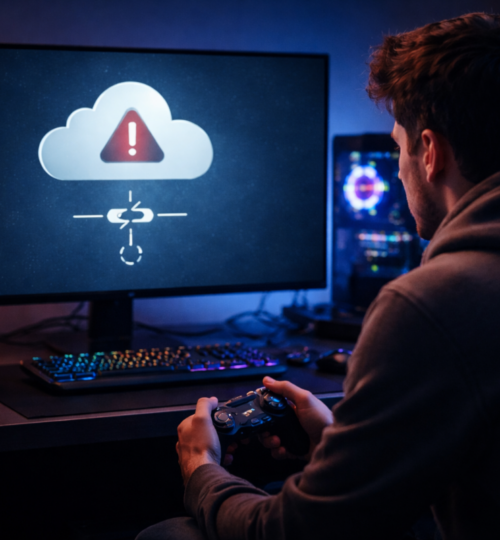
For a generation of players raised on discs, cartridges, and even early digital downloads, the concept of ownership in gaming once felt concrete.

For a generation of players raised on discs, cartridges, and even early digital downloads, the concept of ownership in gaming once felt concrete.
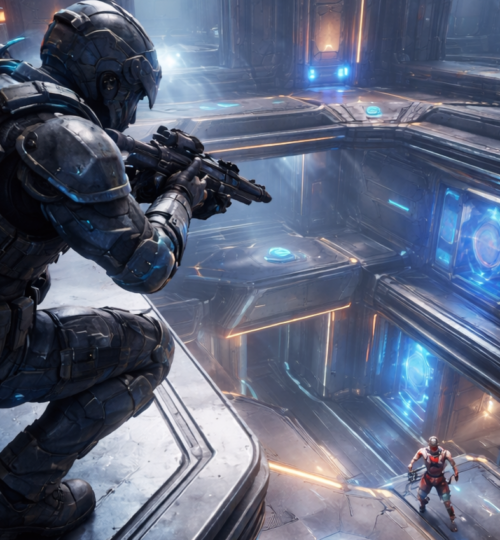
For many veteran players, the phrase “arena shooter” is not just a genre label. It is a memory.
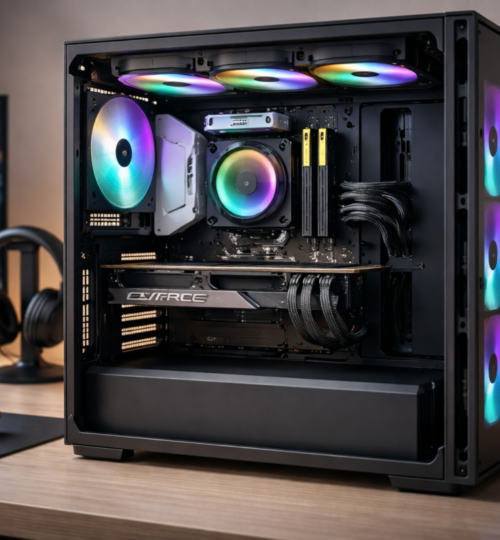
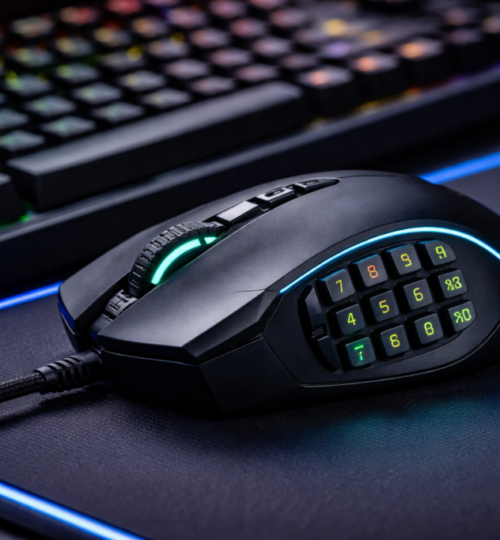
For years, the trajectory of PC gaming hardware felt predictable. More cores, faster GPUs, and steadily increasing RAM capacity.
In every competitive gaming community, from the early days of grassroots ladders to modern ranked ecosystems, one truth has remained constant.
The gaming industry in 2026 sits at a fascinating crossroads. On one side are mega-corporations with billion-dollar budgets, global marketing machines, and access to cutting-edge technology.
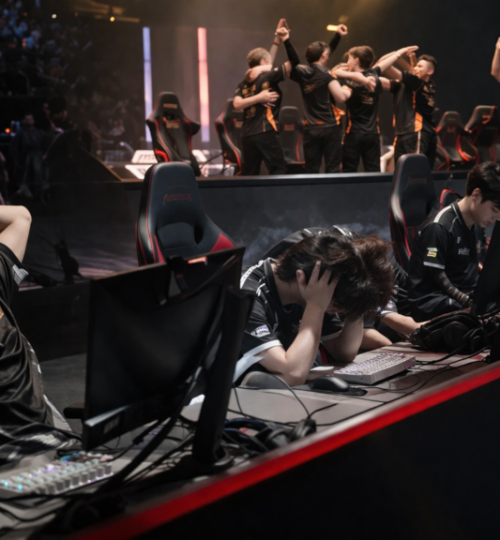
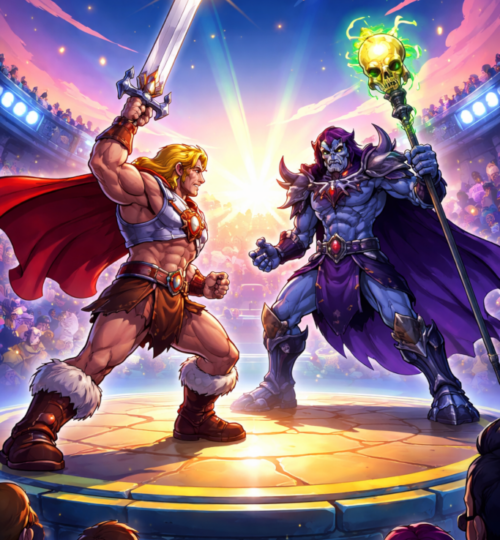
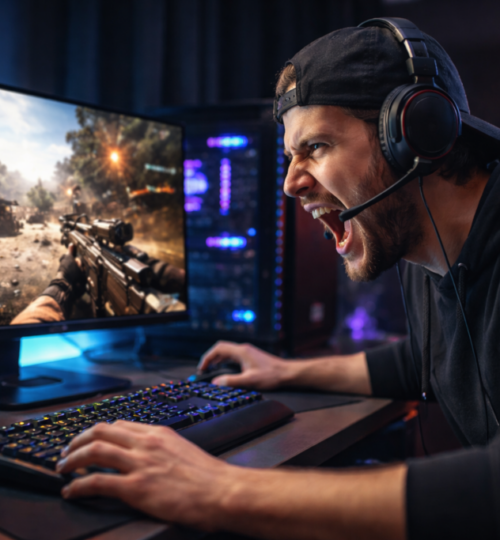
There are few moments in competitive gaming more emotionally charged than staring at a scoreboard that reads 0-5.
For a certain generation of gamers, Saturday mornings were sacred. Before esports arenas, before ranked ladders, before patch notes dictated the rhythm of play, there was a simpler ritual.
If you have played a competitive shooter in the past few years, you have likely seen it happen in real time. A notification flashes across the screen.
In massively multiplayer online games, performance is often measured in small advantages. A faster reaction, a cleaner rotation, or a well-timed ability can mean the difference between victory and defeat.
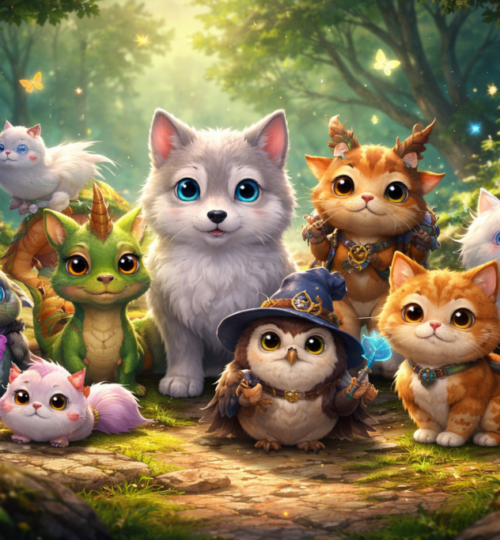
Virtual animals are a quiet feature that became a core experience. Massively multiplayer online games have evolved far beyond simple character progression and combat systems.
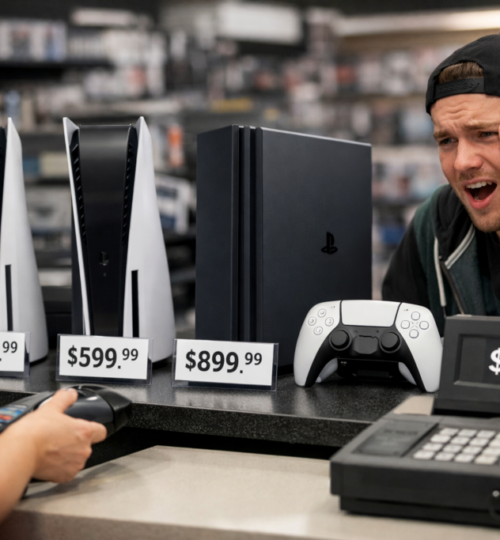
Sony has announced another round of price increases for its PlayStation 5 lineup, and the timing has caught the attention of the gaming world.
Cloud gaming has moved from a niche concept to a serious contender in the future of gaming.
Multiplayer gaming has always been about more than just mechanics, stats, and win-loss records.
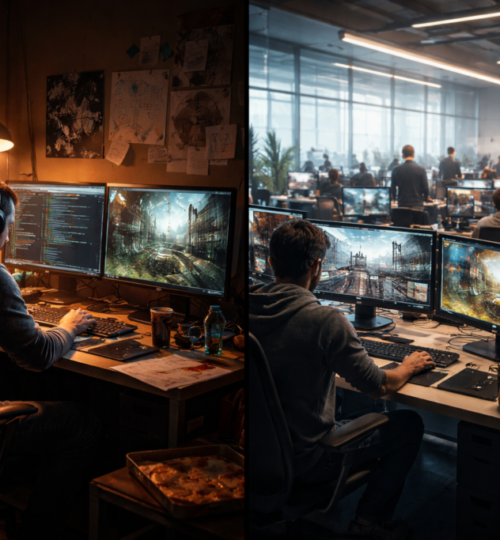
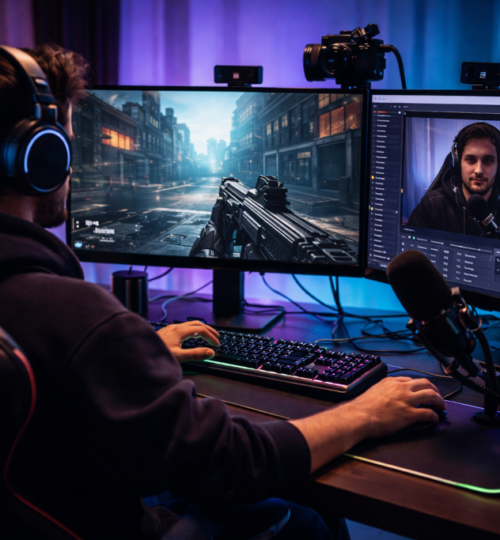
Multi-monitor setups have evolved from a niche luxury into a core part of serious gaming and streaming environments.
For as long as competitive multiplayer games have existed, there has been a parallel effort to break them.