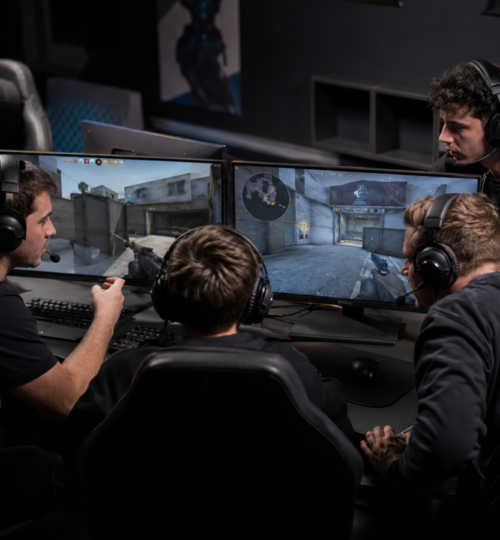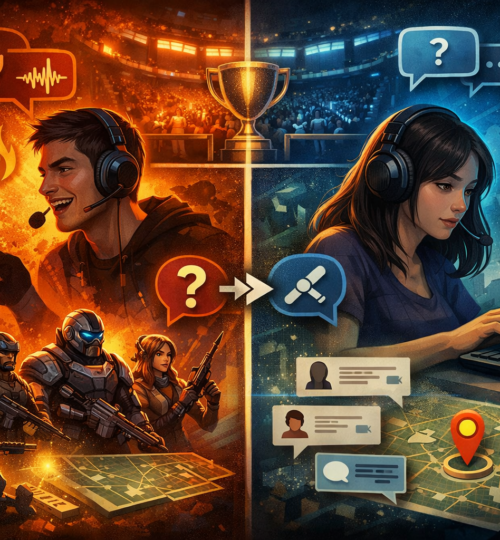
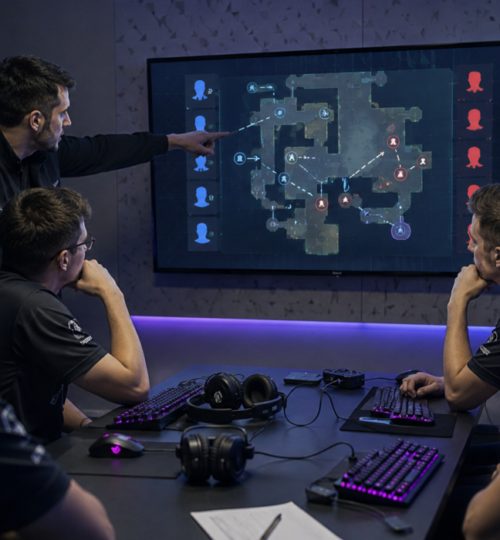
The Psychology of Team Roles in Games: Why Winning Is More Than Aim, Damage, or Stats
In every competitive game, the scoreboard tells only part of the story.
Multiplayer
In every competitive game, the scoreboard tells only part of the story.
The raid Was thrilling, until it became a second job. For a while, extraction shooters felt like the natural next evolution of competitive multiplayer.
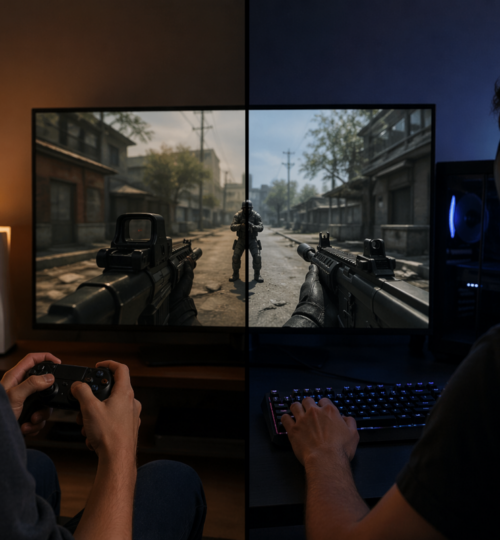
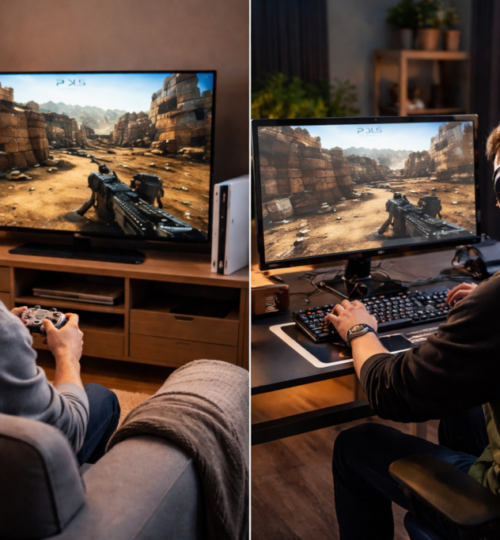
For most of competitive multiplayer history, your platform defined your battlefield. PC players faced PC players. Console players stayed within their own ecosystems.
There is a moment every long-time multiplayer player recognizes. The servers grow quieter. Matchmaking takes longer.
There was a time when your choice of platform defined your multiplayer experience. If your friends were on a different console, you either bought the same system or you played alone.
The second season of Battlefield 6 has arrived with a clear shift in tone and direction.
Few debates in gaming have lasted as long or burned as brightly as the supposed divide between “casual” and “hardcore” players.
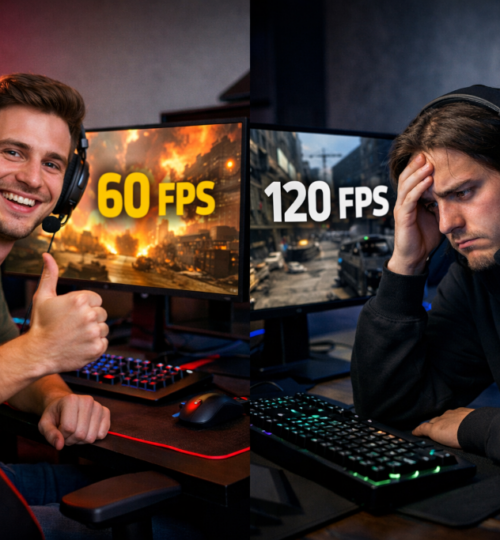
For years, higher frame rates have been treated as the gold standard of competitive gaming. The jump from 30 frames per second to 60 was transformative.
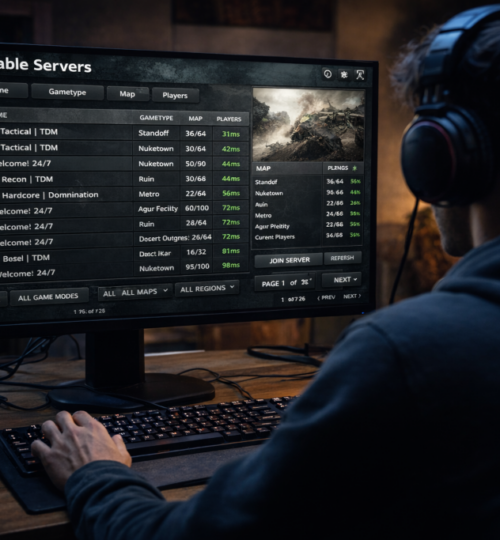
For players who grew up on competitive multiplayer shooters, the server browser is not just a feature. It is a philosophy.
For decades, competitive gaming lived inside carefully guarded walls. PC players competed with PC players. Console players stayed in their own ecosystems.
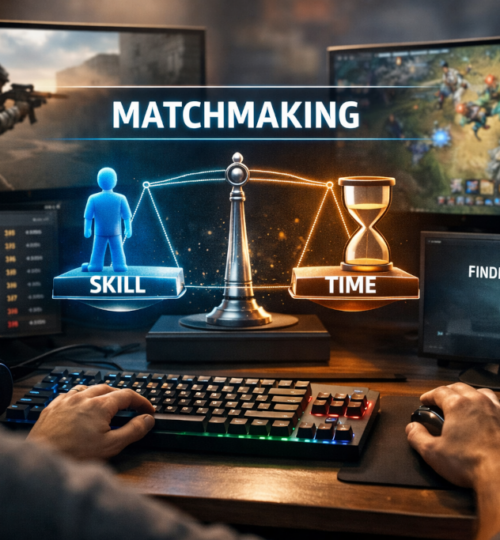
Matchmaking is one of those systems most players interact with constantly but rarely think about in detail. You queue up, wait a bit, load into a match, and hope the game feels fair.
Communication has always been one of the most powerful tools in gaming.