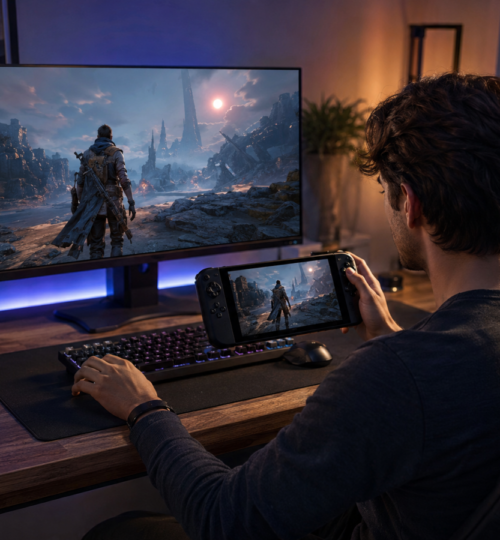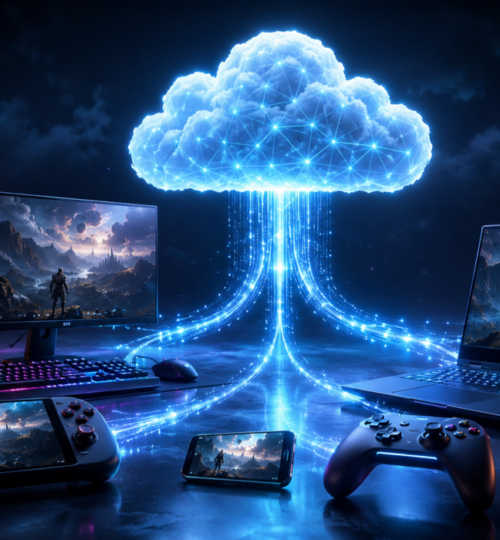
Cloud Synchronization Is Finally Closing the Gap Between Desktop Rigs and Portable Gaming
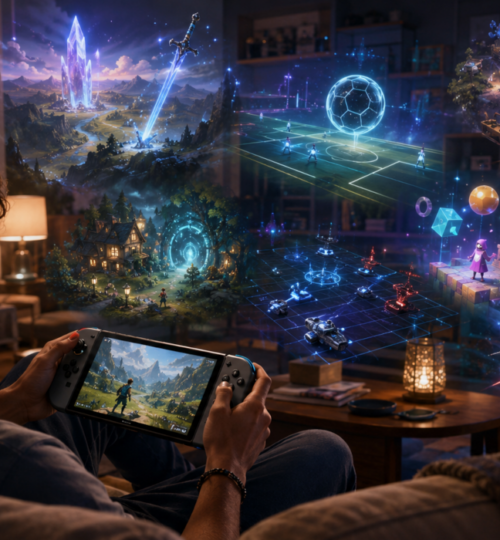
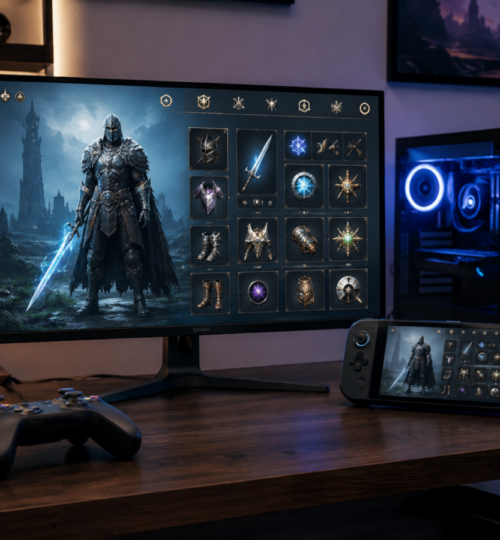
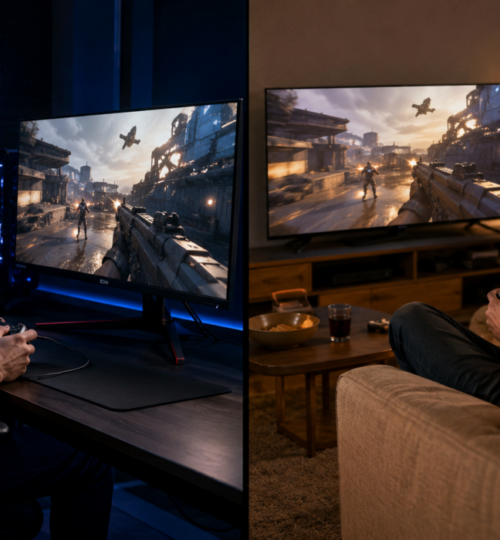
For years, PC gaming had a simple tradeoff: your main rig was where the real power lived, and everything else was a compromise.
For years, PC gaming had a simple tradeoff: your main rig was where the real power lived, and everything else was a compromise.
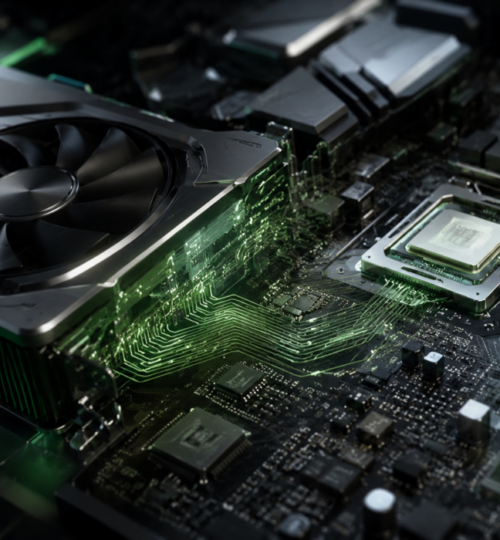
Computex 2026 made something very clear: Nvidia no longer wants to be seen as just the company inside your gaming PC. It wants to become the platform your PC is built around.
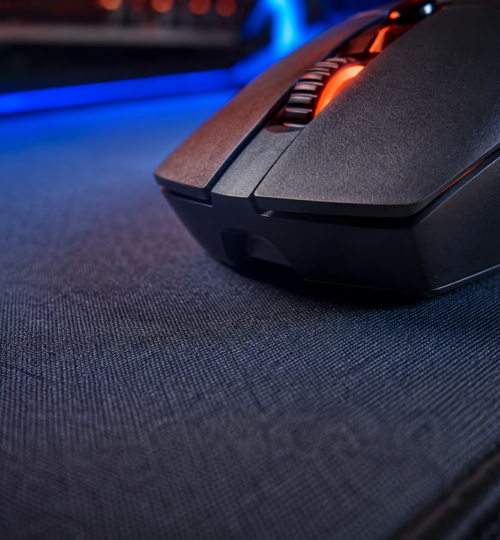
For years, the gaming gear market seemed obsessed with speed. But competitive aiming has never been that simple.
We’ve got a lot done in a month and it’s hard to know where to start so let’s dive right in.
Modern gaming has changed the way communities form, compete, and survive.
June 2026 is shaping up like one of those months where Nintendo Switch 2 owners get a little bit of everything
Something interesting is happening across the industry: co-op games are becoming cool again.
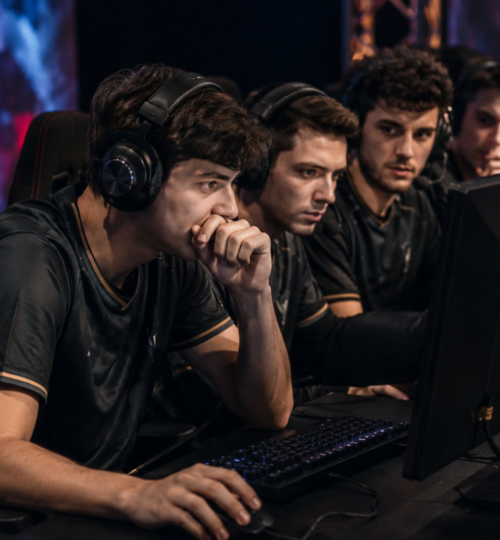
In every competitive game, the scoreboard tells only part of the story.
Cross-progression has become one of those features players now notice most when it is missing.
Competitive gaming has always been a battle against more than the opponent.
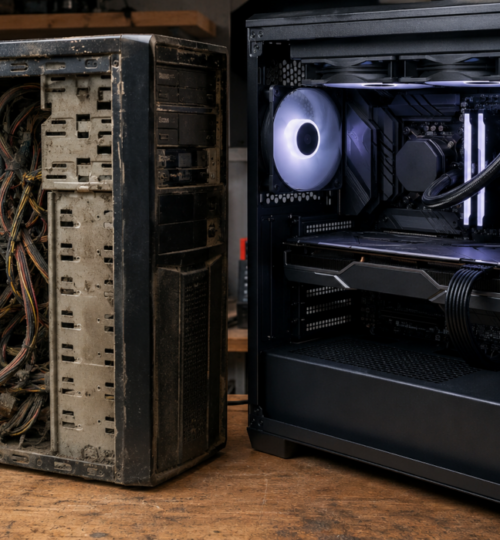
When PC gamers talk upgrades, the spotlight usually lands on the flashier parts: the GPU, the CPU, the monitor, the RAM speed, the storage load times, the RGB, the benchmark chart, the flex.
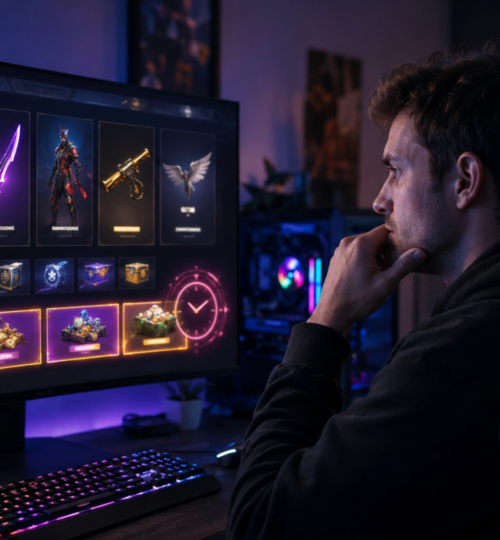
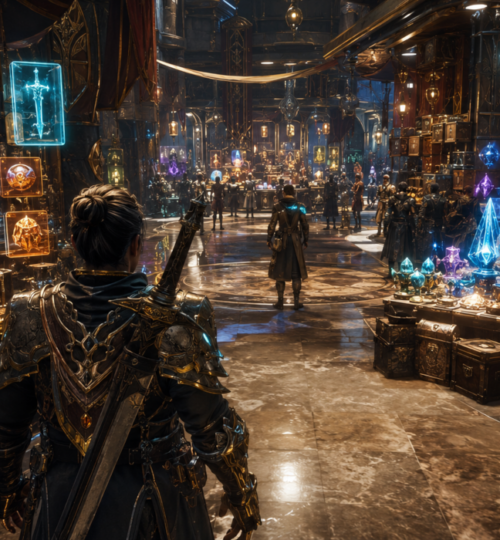
Every great multiplayer game understands one thing: players do not simply want rewards. They want rewards that feel earned.
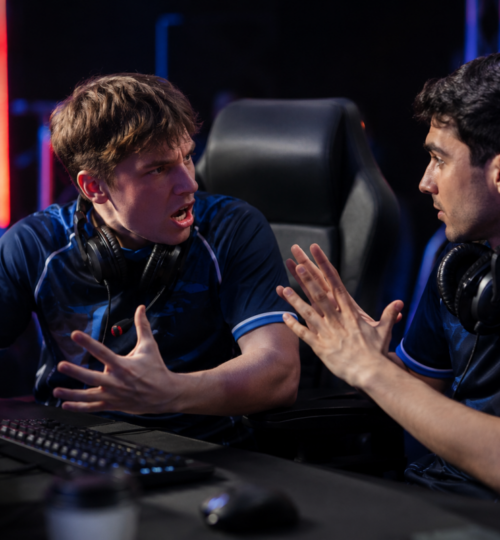
Every long-running online gaming community eventually learns the same lesson: players do not just compete inside games.
The line between “App” and “Game” is getting blurry. For years, gamers understood the difference between a web app and a native game without needing a technical explanation.